We empower voters to win change for animals

How you can help animals

Speak up for frankenchickens

Attend the Mass Lobby Day

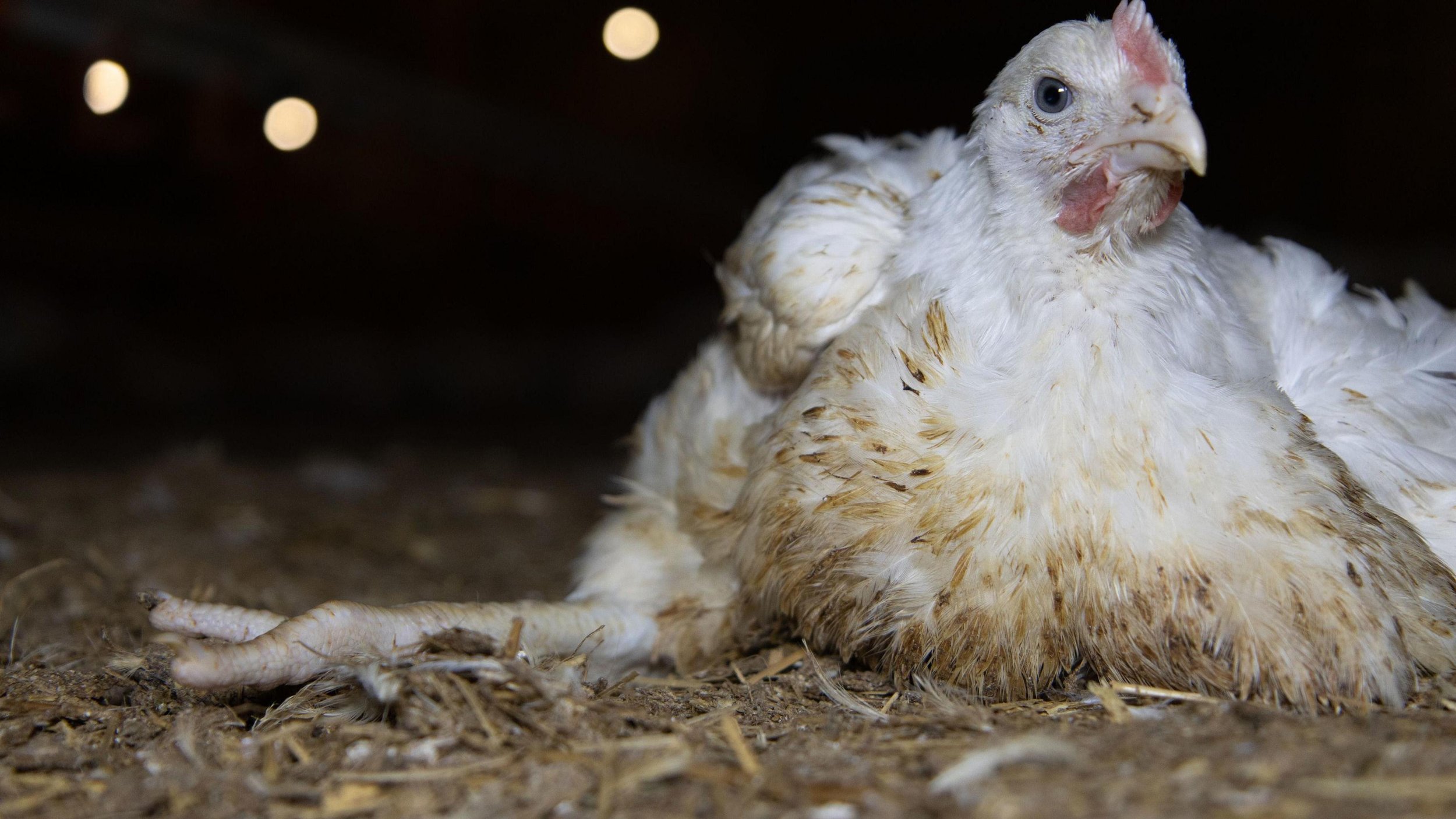
On 10 November, UK Voters for Animals is organising the second annual Mass Lobby Day for farmed animals. This year we are standing up for the billion farmed chickens bred each year to grow so fast their bodies cannot keep up. They struggle to walk. Many suffer from the day they hatch to the day they are slaughtered.
Meet with your MP

MPs care what their local constituents think. Research shows that direct contact with citizens is the most important way politicians learn about public opinion, ranking even higher than public opinion polling and traditional media. 

However, animals cannot advocate for themselves. It is crucial that the many people who care about animal protection actively engage with their MPs and politics, to make sure the Government understands the widespread support for laws to improve the lives of farmed animals.

We want to empower you to do this. We provide training, resources and 1-to-1 support to allow you to effectively engage with your MP, making sure animals’ interests are represented in politics. 

Street view with parked cars along a row of white buildings on the left side and an old stone church with a poll station sign on the right, in a small town area.

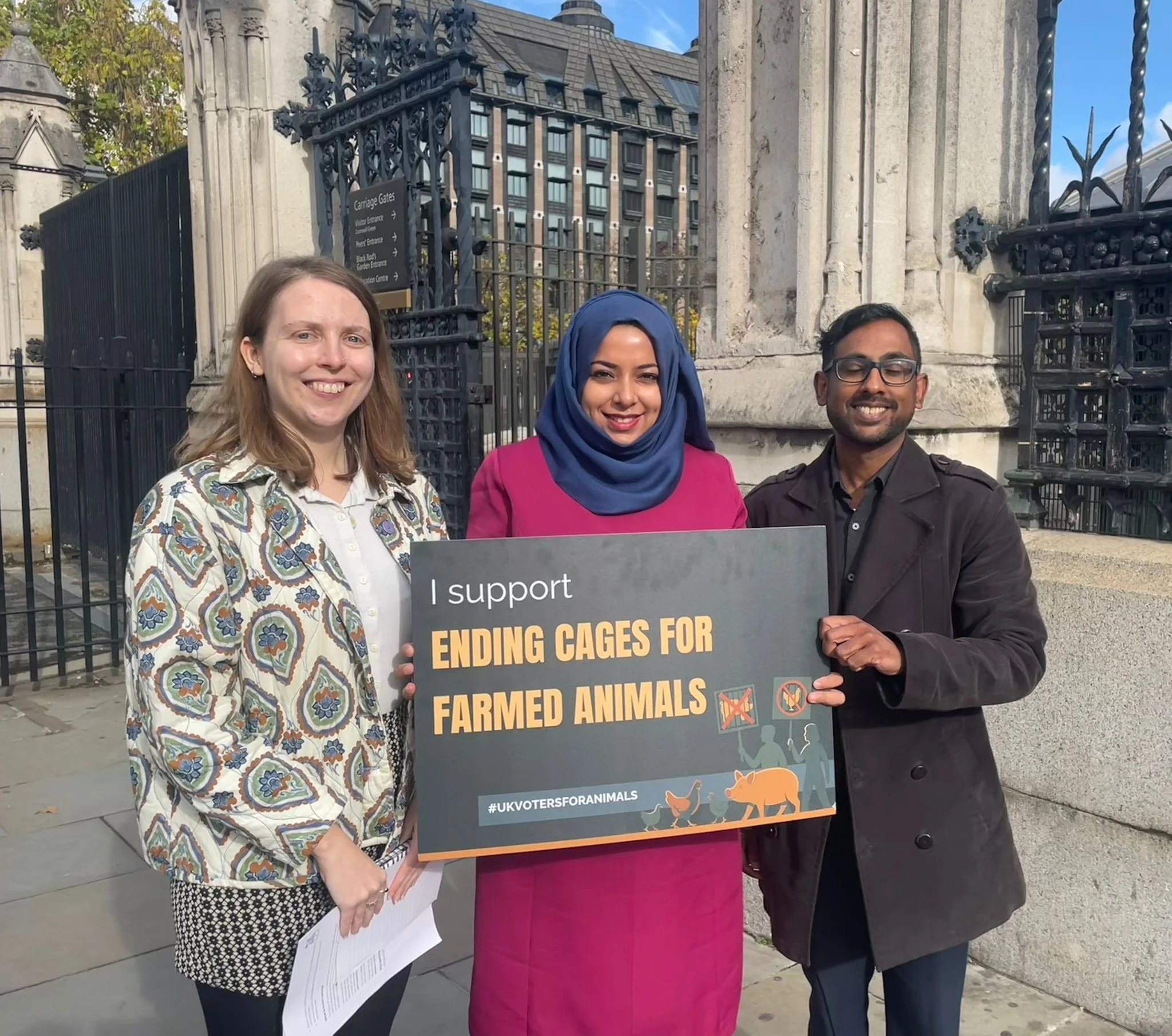
End the Cage Age: Support farmers to transition away from cages

Every year, millions of farmed animals such as pigs and hens are cruelly confined to cages for all or part of their lives.

We call on an end to this inhumane practice by banning all cages for farmed animals.

The ask: A fixed phase out period for the use of cages such as farrowing crates and enriched cages, with transitional support for farmers.

Our Political Asks

End the use of Frankenchicken

Around one billion chickens are raised for meat in the UK every year. The vast majority of them are fast-growing breeds, known as "Frankenchickens": birds bred to grow up to four times faster than chickens did in the 1950s, reaching slaughter weight in as little as 35 days. Their bodies cannot keep up with their own growth. They suffer chronic lameness, heart and lung failure, and hock burns from lying in their own waste, often too heavy to stand. Many suffer from the day they hatch to the day they are slaughtered.

The ask: Changing public procurement policy. Mandatory method of production labelling. Supporting the industry to transition.

Better welfare standard for farmed fish

Farmed fish, such as salmon and trout , currently lack specific legal protections regarding their welfare and treatment during slaughter in the UK.

The ask: To address this gap and ensure better welfare, we call for the introduction of legal minimum welfare and slaughter requirements for these animals.